
This is a placeholder text
Group text


by Doppelganger on 10 June 2011 - 20:06
Gastric dilatation / volvulus (GDV) - What should you know?
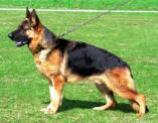
Great Dane, German Shepherd, Irish Setter, Gordon Setter, Rottweiler, Standard poodle, Weimaraner, American Akita, Bloodhound, Rough Collie, Irish Wolfhound, Newfoundlander, Saint Bernard – they are all dog breeds that have a genetic predisposition for GDV. The mortality is estimated at an average 30% in dogs. The recurrence rate for dogs with this problem is on average 11% over a period of 3 years.
Up to now two risk factors have been found that are linked to feeding: giving one meal a day and eating too fast. However, the nature of the food apparently is not a real factor. In addition, feeding one single type of food increased the chances of GDV, but this was true for all types of food equally. New is that when feeding dry food, the size of the kibble plays a role with a higher risk with kibbles smaller than 30 mm. So, is feeding with kibbles really more dangerous? Not really. The gastric dilatation is not caused by the kibbles fermenting in the stomach but by swallowing large amounts of air (aerophagia).
What is the advice for dog owners?
- Give smaller portions and feed 3 to 4 meals a day.
- Decrease the water intake: no water until 1 hour after eating.
- No movement or exercise until 1 hour after eating (this is the first cause of GDV) – so decrease stress after the meal.
- Feed more energy-rich food (after all, smaller amounts but with a higher fat ratio, lead to the stomach emptying out more slowly).
- Never use lifted feeding or drinking bowls.
- Regularly clean the eating and drinking bowls.
An often-performed operation, gastropexy, does have a use in prevention. Gastropexy can extend the recurrence period to 547 days, compared to 188 days and with mortality for the Rottweiler decreased by a factor of 2.2 and by a factor of 29.6 for the German Shepherd.
However, do note that patients with GDV undergoing this type of operation can still suffer a gastric dilatation occasionally.
Dr. Wim Van Kerkhoven – Viyo International
Website : www.viyo-elite.com

by momosgarage on 12 June 2011 - 03:06
Contact information Disclaimer Privacy Statement Copyright Information Terms of Service Cookie policy ↑ Back to top